
How to Choose a Small CNC Machining Center: A Comprehensive Guide
How to Choose a Small CNC Machining Center: A Comprehensive Guide
Selecting the right small CNC machining center is crucial for manufacturers and hobbyists alike. To ensure your investment aligns with your needs, consider these key dimensions:
1. Material to Be Processed
Steel/ Stainless Steel : Opt for low-speed, high-torque belt-driven spindles . They excel in heavy cutting.
- High-Speed & High-Torque Demands : Choose direct-drive spindles for superior performance, though they cost more.
- BT30 Spindle Standard : Common in small machining centers; belt-driven variants are budget-friendly, while direct drives are pricier.
- Soft Materials (Copper, Aluminum, Nylon, Plastics) : Electric spindles (≥24,000 RPM, 3.2KW) are ideal. They’re simple, reliable, but unsuitable for rigid tapping. Torque is moderate.
2. CNC Control System
- Premium Systems (Siemens, Mitsubishi, Fanuc) : Exceptional performance but costly with long lead times.
- Mid-Range Options (Delta, SYNTEC, Guangzhou CNC) : Balance cost and performance with shorter delivery times.
- Budget-Friendly (KY1000, DDCS) : Sufficient for startups and individuals, offering basic yet functional capabilities.
3. Axis Travel & Table Size
- Match the X/Y/Z travel and table dimensions to your part size. Leave room for future larger jobs. E.g., for small parts, a 500x400mm table suffices; larger components require proportionally bigger axes.
4. Tool Magazine Considerations
- Do You Need a Toolchanger?
- Yes, for efficiency in multi-operation jobs.
- Tool Capacity :
- 8–16 tools: Ideal for general machining.
- 24+ tools: Essential for complex, unattended operations.
- Manual tool changes are cheaper but slower.
5. 4th & 5th Axis Rotation (A/B/C Axes)
- 4-Axis : Adds rotational capability for angled features.
- 5-Axis (3 Linear + 2 Rotational) : Essential for complex geometries (e.g., aerospace parts).
- Tip Tracking System (RTCP) : Mandatory for 5-axis machining to maintain consistent tool orientation, ensuring precision.
6. Tool Setting Accessories
- Tool Presetter : Measures tool lengths offline, reducing machine downtime.
- Edge Finder/Probe : Automates workpiece alignment, boosting accuracy and efficiency.
- Include These If : You prioritize precision or run frequent setups.
7. Power Supply Compatibility
- Verify your local voltage and frequency (e.g., 110V/60Hz vs. 220V/50Hz).
- Mismatched power may require costly transformers. Specify requirements during ordering to avoid modifications.
8. Logistics & Customs (International Buyers)
- Clearance Capability : Can you handle customs formalities?
- DDP (Delivered Duty Paid) : Request this for door-to-door service, though it adds costs. Clarify shipping terms early to avoid delays.
Decision Checklist:
1. Define your core materials and operations.
2. Set a budget and prioritize system reliability vs. cost.
3. Measure your typical part sizes to match machine specs.
4. Assess automation needs (toolchanger, axes).
5. Check local infrastructure (power, logistics).
6. Seek quotes from multiple vendors for specs verification.
By aligning these factors, you’ll select a CNC machining center that maximizes productivity while minimizing pitfalls. Happy machining!
---
Key Strengths of This Article:
- Technical Accuracy : Clear distinctions between spindle types, control systems, and axes.
- Practical Advice : Budget-friendly vs. premium options, tooling recommendations.
- International Considerations : Power and logistics for global buyers.
- Actionable Checklist : Summarizes steps for efficient decision-making.
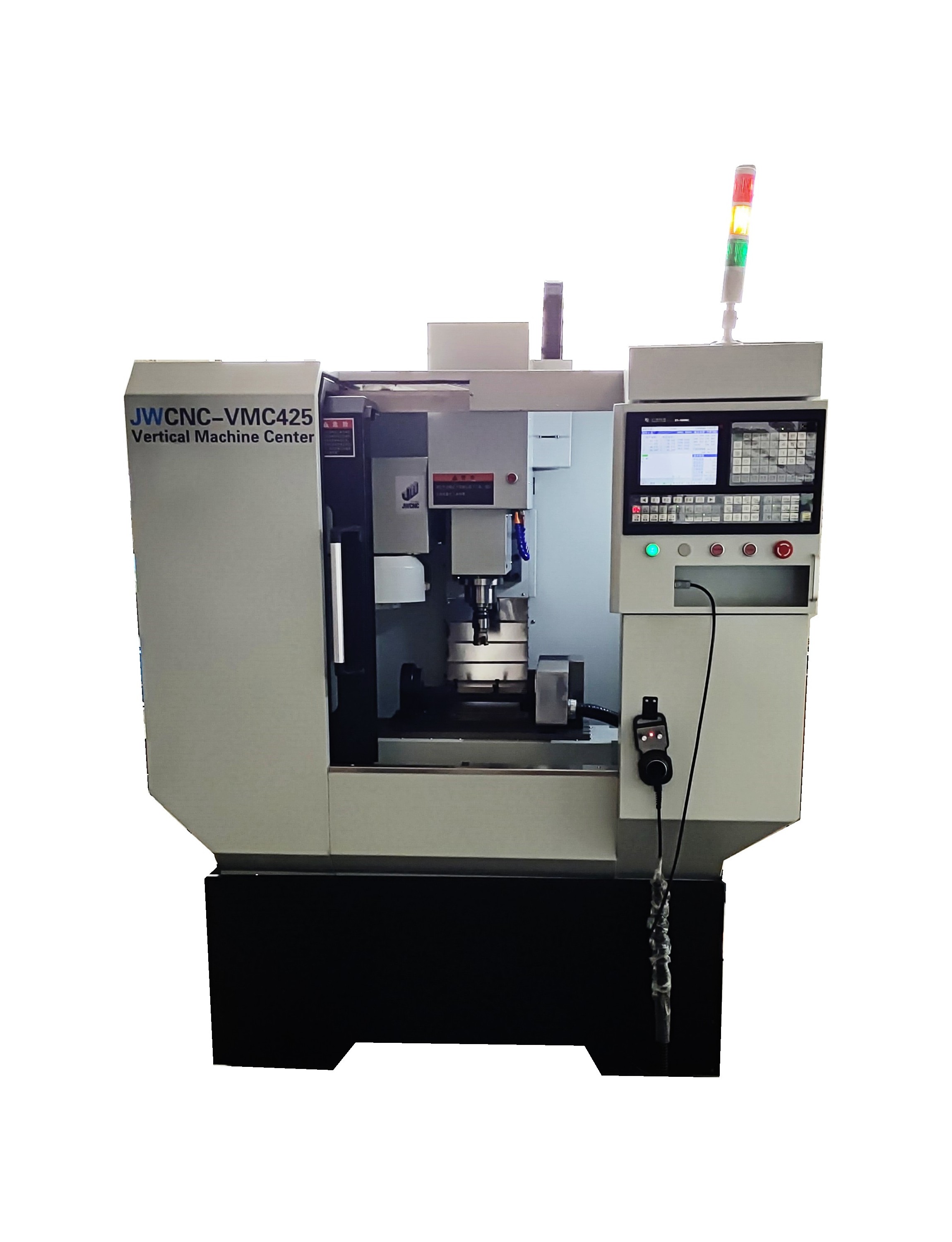 2026 CNC Machining in the AI Era: Empowering Startups and Next-Generation Manufacturing
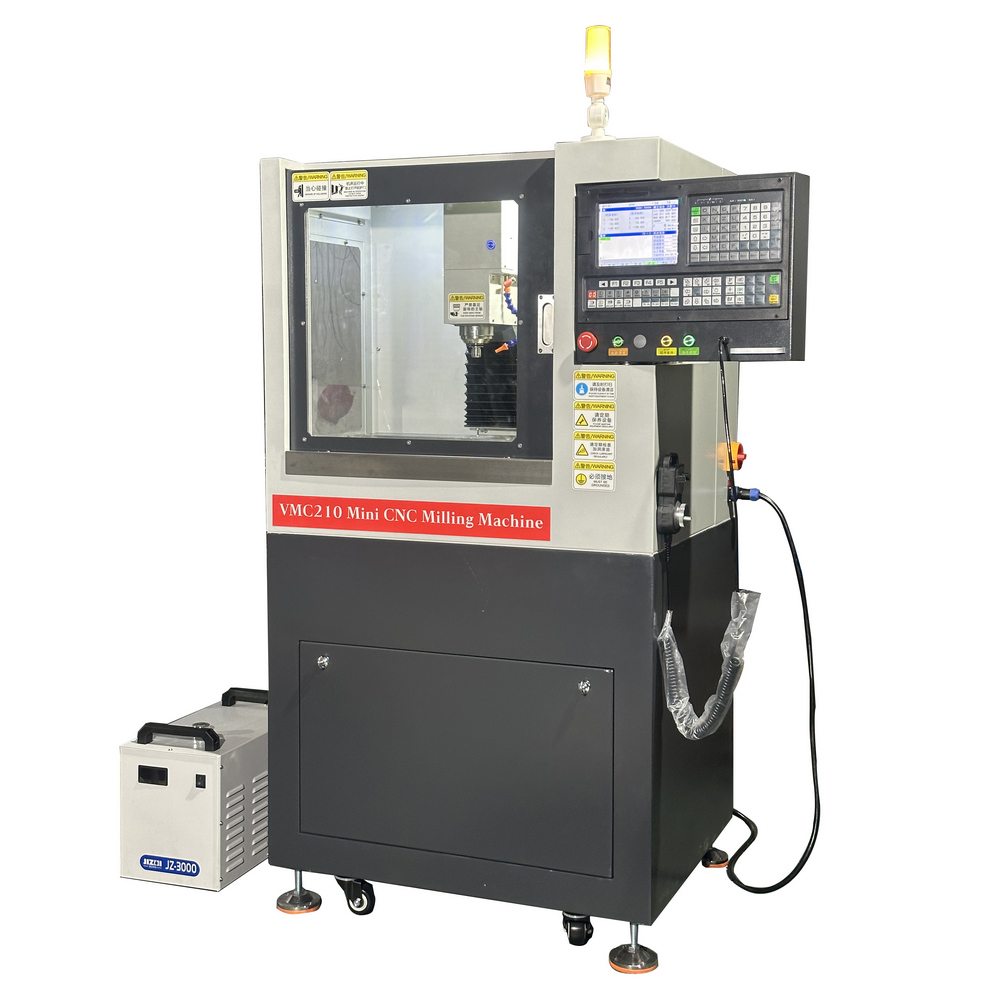 The Application of Small CNC Milling Machines in the Gold Jewelry Industry
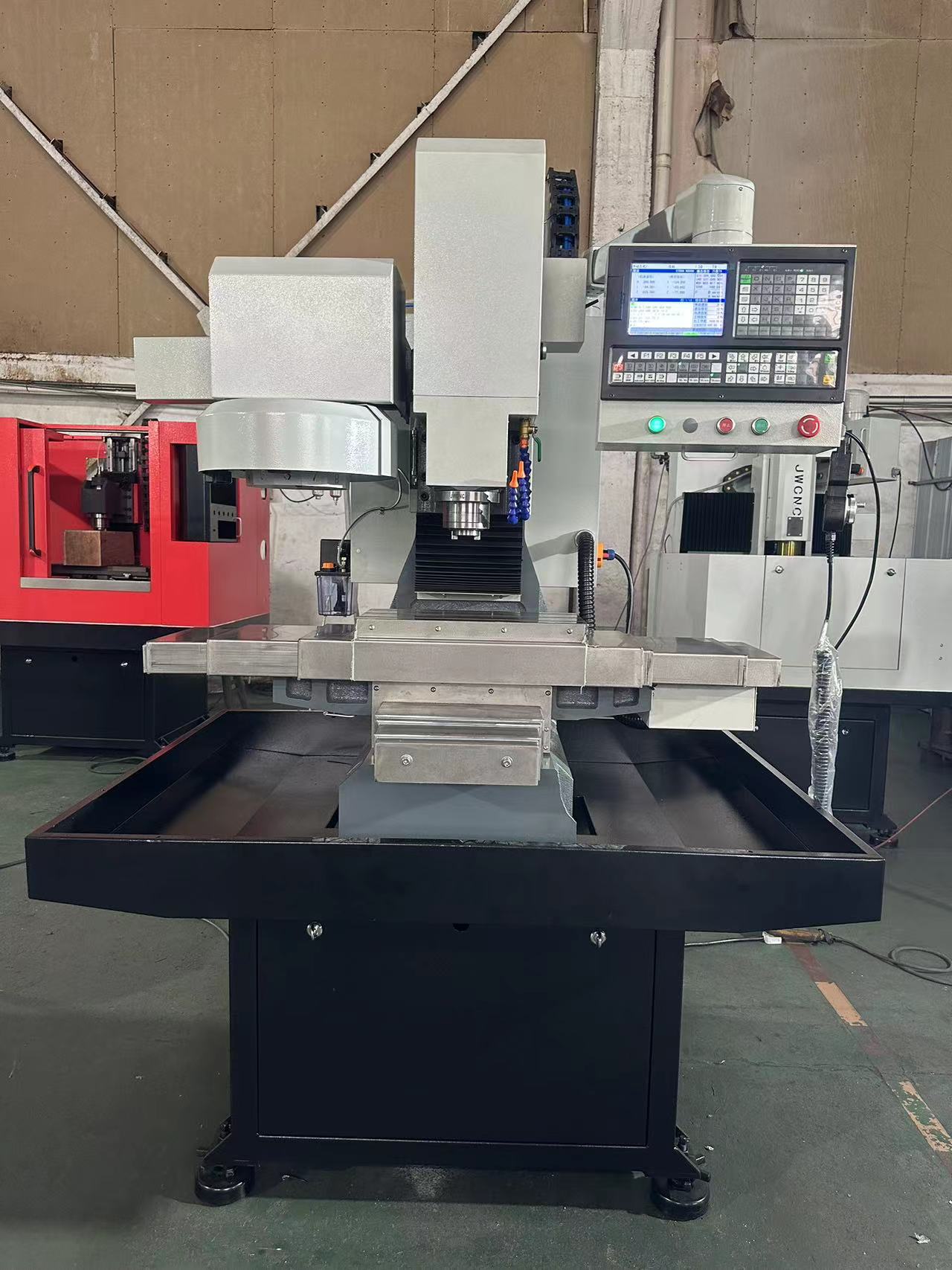 How to Choose a Small CNC Machining Center: A Comprehensive Guide
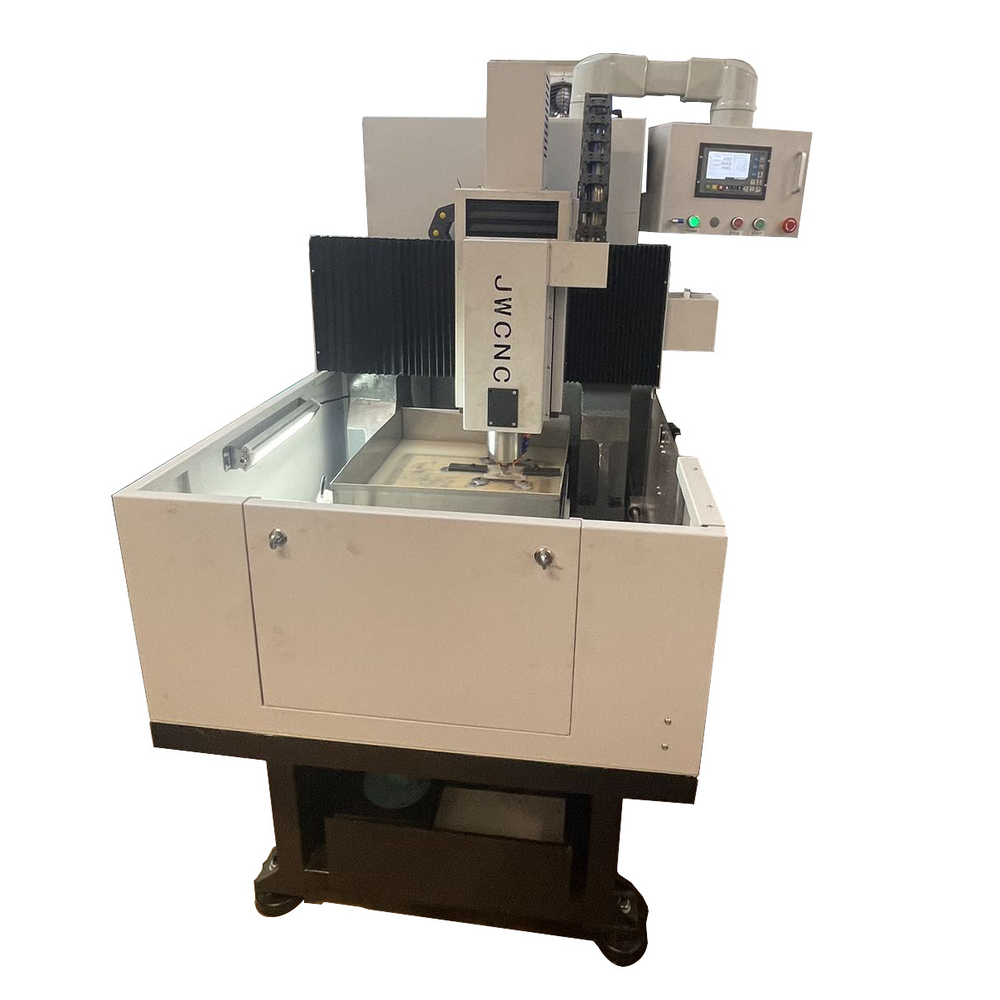 Application and Future Trends of Small CNC Milling Machines in Developing Countries: Focus on South America
Please contact us with your request
We are ready to answer your questions.